
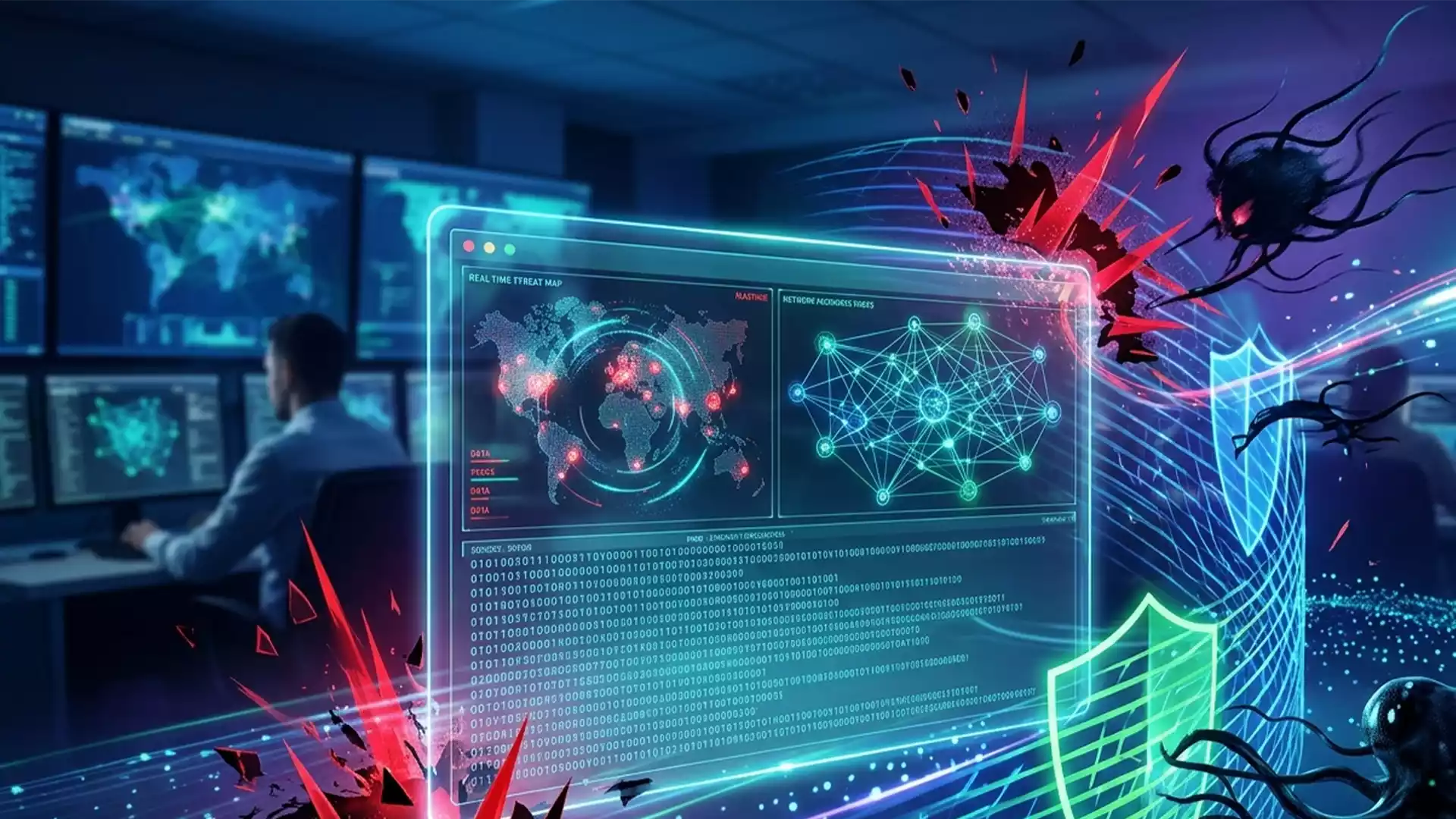
Navigating the Evolving Threat Landscape
The digital landscape evolves constantly. Businesses face unprecedented threats daily. Understanding Business digital security developments is no longer optional. It is absolutely critical for organizational survival. Organizations must adapt quickly to new challenges. This post explores pivotal trends. It provides actionable insights for robust defense. Staying informed ensures your enterprise remains secure. Neglecting these shifts can lead to severe consequences. Therefore, proactive measures are essential. Embracing modern security frameworks empowers businesses. It protects valuable assets and maintains trust.
Understanding the Shifting Landscape of Business Digital Security Developments
The threat landscape is dynamic. New vulnerabilities emerge regularly. For instance, ransomware attacks are more sophisticated. They target critical infrastructure relentlessly. Furthermore, phishing scams exploit human error effectively. State-sponsored groups pose significant risks. They aim for intellectual property theft. Organized cybercrime syndicates seek financial gain. Keeping pace with Business digital security developments is paramount. This requires continuous vigilance and adaptation. Otherwise, enterprises risk exposure. Consequently, security teams must evolve their strategies.
The Proliferation of Ransomware and AI-Driven Threats
Ransomware remains a primary concern. Attackers refine their methods constantly. They often use double extortion tactics. Data is encrypted and also exfiltrated. Without payment, data might be leaked. This creates immense pressure. Moreover, AI is a double-edged sword. It enhances security tools significantly. However, attackers also leverage AI. They create highly deceptive phishing emails. AI-powered malware learns to bypass defenses. This creates a challenging environment. Businesses must prepare for these advanced threats. For instance, ransomware-as-a-service models lower entry barriers for attackers. The financial impact of such attacks is staggering. Organizations need layered defenses to mitigate these risks.
Impact on Enterprises: Financial and Reputational Costs
Cyberattacks carry immense costs. Financial losses are often immediate. These include recovery expenses. They also cover regulatory fines. Furthermore, business disruption impacts revenue severely. The reputational damage can be lasting. Customers lose trust in compromised brands. This affects future sales and partnerships. Understanding these stakes drives better security investments. Enterprises need strong defenses now more than ever. Beyond direct financial losses, companies suffer productivity dips. Legal fees and notification costs add to the burden. Therefore, a robust security posture is a sound investment.
Key Pillars of Modern Organizational Digital Defense
Building a resilient defense requires multiple layers. Organizations need comprehensive strategies. These strategies must address evolving threats. Prioritizing modern approaches is crucial. Therefore, focus on proven frameworks. They provide structure for security programs. These pillars form the bedrock of strong protection. Indeed, they represent best practices in modern security. Implementing them strengthens overall resilience.
Embracing Zero Trust Architecture
Zero Trust is a fundamental shift. It operates on the principle “never trust, always verify.” Every user and device must be authenticated. Verification occurs regardless of location. This minimizes the attack surface effectively. Implementing Zero Trust reduces internal threat lateral movement. It applies to applications and data access. Many enterprises are now adopting this model. It strengthens their overall security posture. For deeper understanding, explore resources on NIST’s Zero Trust Architecture guidance. This framework assumes no implicit trust. Every request is verified. Consequently, unauthorized access becomes much harder.
AI and Machine Learning in Security Operations
Artificial intelligence revolutionizes security. Machine learning algorithms detect anomalies. They identify suspicious patterns quickly. This includes unusual network traffic. AI-driven systems automate threat responses. They significantly reduce human workload. Furthermore, they improve threat detection accuracy. AI helps predict future attack vectors. This proactive approach is invaluable. Businesses can thus strengthen their defenses. For example, AI can analyze vast datasets. It spots subtle indicators of compromise. This capability surpasses human analysis speed. However, ethical considerations are paramount. Responsible AI deployment is key.
Navigating Cloud Security Challenges
Cloud adoption brings efficiency. However, it introduces new security complexities. Misconfigurations are a common vulnerability. Data breaches in the cloud are concerning. Enterprises must secure their cloud environments. Shared responsibility models require clarity. Therefore, robust cloud security frameworks are essential. This ensures data integrity and compliance. Consider guidance from organizations like the Cloud Security Alliance. Cloud Security Posture Management (CSPM) tools help. They continuously monitor configurations. This prevents costly errors. Furthermore, strong encryption protocols are vital for data at rest and in transit.
The Rise of Supply Chain Vulnerabilities in Enterprise Cybersecurity Trends
Supply chain attacks are increasingly common. Attackers target trusted third parties. Compromising one vendor can impact many clients. This creates a ripple effect. Software updates can carry malicious code. This makes vigilance critical. Therefore, understanding supplier risks is paramount. A single vulnerability can compromise entire ecosystems. The SolarWinds attack exemplifies this risk. Consequently, enterprises must scrutinize their vendor relationships more deeply. This area represents a growing concern among Enterprise cybersecurity trends.
Mitigating Third-Party Risks
Businesses rely heavily on third-party vendors. These relationships introduce vulnerabilities. A single weak link can compromise the entire chain. Due diligence is crucial for vendor selection. Regular security audits are also necessary. Furthermore, strong contractual agreements protect your data. Monitoring third-party access is continuous. This minimizes the risk of widespread breaches. The CISA website offers valuable insights into supply chain security. Implementing a robust Vendor Risk Management (VRM) program is essential. This includes assessing their security controls. It also involves continuous monitoring of their posture. Ultimately, trust must be earned and continuously verified.
Proactive Strategies for Adapting to Business Digital Security Developments
Being reactive is insufficient today. Proactive measures are indispensable. They help anticipate and prevent attacks. Investing in foresight is a smart move. Consequently, enterprises build resilience. This approach protects assets effectively. Moreover, it minimizes potential damage. Staying ahead of attackers requires constant effort. This involves a multi-faceted approach. These strategies are crucial for navigating current Business digital security developments.
Leveraging Cyber Threat Intelligence
Threat intelligence provides crucial insights. It informs security decisions proactively. This data includes attack methods. It also covers attacker motivations. Businesses can predict emerging threats. They can allocate resources strategically. Furthermore, intelligence allows for tailored defenses. It strengthens overall security posture. Tactical intelligence offers immediate IOCs. Strategic intelligence informs long-term planning. Participating in Information Sharing and Analysis Centers (ISACs) can also be highly beneficial. This allows for collective defense against common threats.
Cultivating a Security-Aware Culture: Employee Training
Employees are often the first line of defense. They can also be the weakest link. Regular security awareness training is vital. It educates staff on phishing. It teaches them safe browsing habits. Furthermore, it reinforces data handling policies. A well-trained workforce reduces human error. This significantly lowers overall risk. Simulated phishing exercises are highly effective. They help employees recognize and report threats. Secure coding practices are also critical for developers. This prevents vulnerabilities at the source.
Developing Robust Incident Response Planning
Despite best efforts, incidents may occur. A well-defined incident response plan is critical. It outlines steps to take during a breach. This includes detection, containment, and eradication. Furthermore, recovery procedures are documented. A practiced plan minimizes damage. It ensures a faster return to normal operations. Preparation is key to effective response. Regular tabletop exercises test the plan’s effectiveness. These simulations identify gaps before a real incident. Clear communication protocols are also essential. They manage stakeholder expectations during a crisis.
Emerging Technologies Shaping Future Digital Defense Innovations
Innovation never stops. New technologies present both opportunities and threats. Staying updated is essential. Therefore, strategic foresight is needed. It helps prepare for future challenges. Understanding these advancements is vital. They will reshape the future of digital defense. Hence, continuous learning is non-negotiable. Keeping an eye on these digital defense innovations ensures long-term security readiness.
Quantum Computing and Post-Quantum Cryptography
Quantum computing promises immense power. It could break current encryption methods. This poses a long-term threat. Enterprises must prepare for this shift. Post-quantum cryptography (PQC) offers solutions. It develops new encryption algorithms. These are resistant to quantum attacks. Research and development in PQC are active. This will secure data in the quantum era. The “store now, decrypt later” threat is real. Encrypted data today could be vulnerable tomorrow. Therefore, companies must begin planning their transition to PQC standards.
Evolving Identity and Access Management (IAM)
IAM systems are foundational. They control who accesses what resources. Modern IAM integrates advanced authentication. This includes multi-factor authentication (MFA). Biometrics are also gaining traction. Furthermore, continuous authentication is emerging. It verifies identity throughout a session. Strong IAM is vital for securing access. It directly impacts data integrity. Passwordless solutions enhance user experience and security. Decentralized identity (SSI) offers greater user control. These advancements are crucial for a strong security perimeter.
Securing IoT, OT, and Edge Computing
The proliferation of IoT devices creates new attack vectors. Operational Technology (OT) networks also face increased risk. Securing these environments is paramount. Furthermore, edge computing expands the attack surface. Traditional security models are often inadequate. Therefore, specialized security solutions are necessary. These include device authentication and network segmentation. Real-time monitoring of these assets is crucial. This ensures continuous protection of critical infrastructure.
Regulatory Compliance and Governance in Modern Enterprise Security
Compliance is more than a legal obligation. It strengthens security practices. Regulations like GDPR set high standards. Non-compliance carries severe penalties. Therefore, robust governance is essential. It ensures adherence to legal frameworks. This proactive approach benefits everyone. It also builds customer trust. Adhering to these frameworks is a cornerstone of modern enterprise security. Moreover, it demonstrates a commitment to data protection.
Navigating Global Data Protection Regulations
Global regulations shape security practices. GDPR (General Data Protection Regulation) protects EU data. CCPA (California Consumer Privacy Act) governs US data. NIS2 Directive enhances cybersecurity across the EU. Understanding these frameworks is crucial. It ensures legal and ethical data handling. Neglecting them leads to significant fines. For details on GDPR compliance, consult official sources. Sector-specific regulations like HIPAA (healthcare) and PCI DSS (payments) also demand adherence. Compliance requires continuous effort and robust internal controls.
The Indispensable Role of the CISO
The Chief Information Security Officer (CISO) leads security efforts. This role demands strategic vision. CISOs manage risk effectively. They oversee security programs. Furthermore, they communicate with leadership. A strong CISO is pivotal for enterprise security. Their expertise guides critical decisions. The CISO bridges technical and business functions. They advocate for security investments. Moreover, they ensure security aligns with business objectives. This strategic role is increasingly recognized as vital.
Future-Proofing Your Enterprise Security
The journey towards robust cybersecurity is ongoing. It requires continuous adaptation. Organizations must prioritize security investments. They need to foster a culture of vigilance. Furthermore, they must embrace emerging technologies. Staying informed and proactive is the only path. This ensures long-term resilience. Your enterprise’s future depends on strong security. It also enables secure innovation and sustained growth. Proactive measures are the bedrock of success.
The landscape of enterprise cybersecurity is constantly shifting. Staying ahead requires continuous effort. Businesses must embrace proactive measures. They need to invest in advanced technologies. Furthermore, they must foster a security-aware culture. Understanding Business digital security developments is not just about protection. It is about enabling secure innovation and growth. For tailored security solutions, contact us today. Our experts can help navigate these complexities. Reach us directly at +234 813 681 1397 for immediate assistance, or send your inquiries to contact@krustylab.com. Explore more insights on our blog page. Your enterprise’s future depends on robust security.