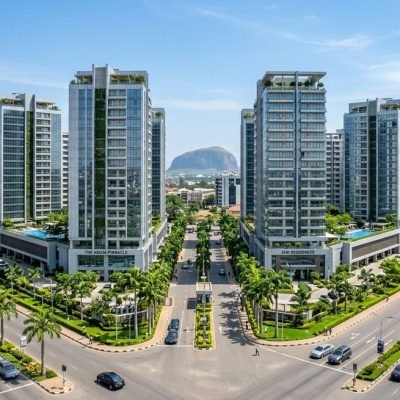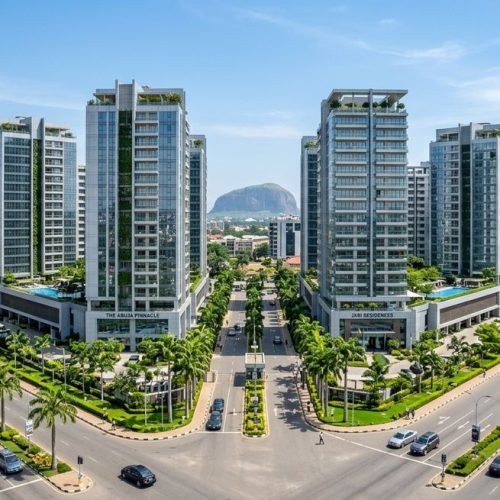
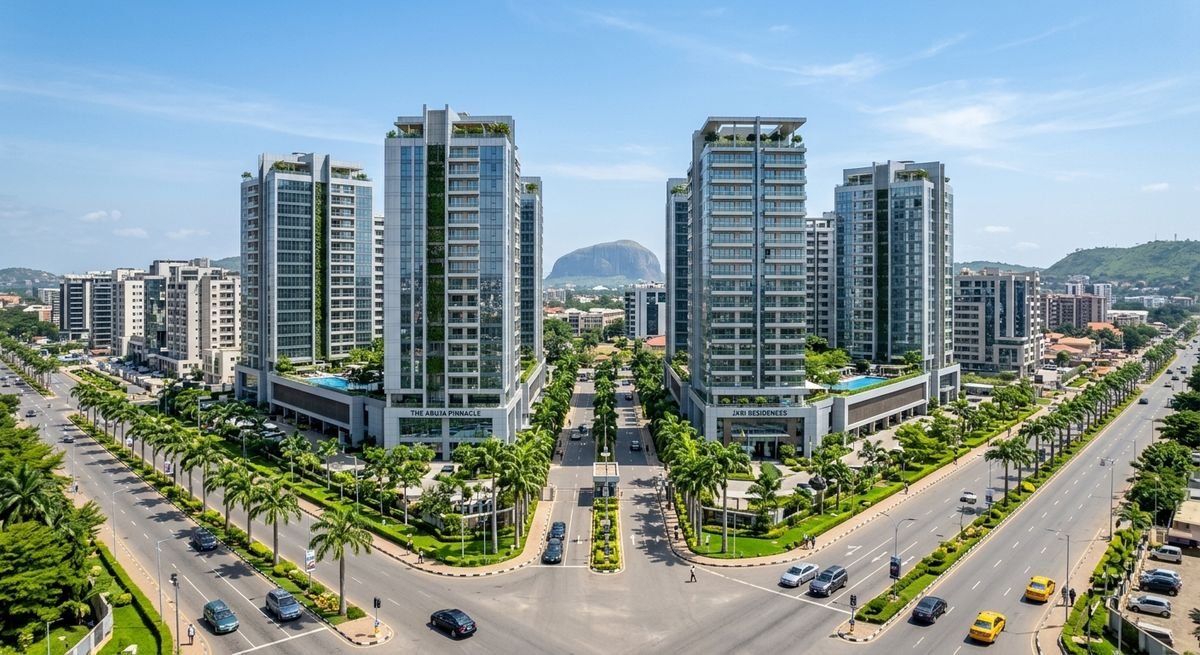
Finding a home in Nigeria’s capital city poses significant financial challenges for modern workers. Rapid urban migration constantly increases demand for quality living space. Consequently, Abuja Expensive Rental Housing places immense pressure on middle-income household budgets across central districts. Property owners frequently demand upfront multi-year payments. Therefore, prospective tenants struggle to secure decent accommodations without straining their personal savings. High demand drives rental rates beyond reasonable benchmarks.
Economic shifts and inflation directly influence local real estate markets. Recent reports from the National Bureau of Statistics highlight rising living costs nationwide. Developers face high construction charges and costly import tariffs on building materials. As a result, landlords raise rents to preserve profit margins in premium neighborhoods like Maitama and Wuse. Infrastructure expansion struggles to match rapid population expansion across the territory.
High Cost Housing Dynamics in Abuja
Infrastructure deficits in peripheral areas worsen urban concentration. Many professionals prefer living near central business zones to avoid long daily commutes. However, inventory remains scarce in secure suburban neighborhoods. Readers can check our blog archives to explore urban planning updates and property trends. Furthermore, investors prioritize luxury developments over affordable residential units, which exacerbates supply shortages. Private developers rarely construct low-income housing projects.
Abuja Expensive Rental Housing Drivers
Systemic factors continue to drive leasing costs upward. Navigating Abuja Expensive Rental Housing requires careful strategic planning. Unregulated agency fees and legal charges add heavy financial burdens onto tenants. Additionally, property management expenses increase alongside fuel costs and utility tariffs. Landlords pass these operational expenditures onto residents through higher annual rates. If you are analyzing real estate ventures, review our featured portfolio for insightful market solutions.
Economic Factors Shaping Property Prices
Currency fluctuations heavily affect material procurement for local real estate developers. Consequently, landlords transfer high maintenance expenses directly onto renters. Meanwhile, salary growth lags behind current economic reality. Thus, tenants must adopt strategic budgeting methods to manage annual rental obligations effectively. Financial planning becomes crucial for families navigating yearly lease renewals.
Navigating High Cost Rentals Abuja
Collaborative housing models and cooperative financing offer potential relief for urban residents. Shared apartments are becoming increasingly popular among young corporate workers. Moreover, long-term flexible payment terms could transform the local residential sector. For specialized advisory services, feel free to contact our team today. You can also reach our desk directly at +234 813 681 1397 or via email at contact@krustylab.com. Understanding market dynamics helps tenants make informed financial choices in this competitive landscape.